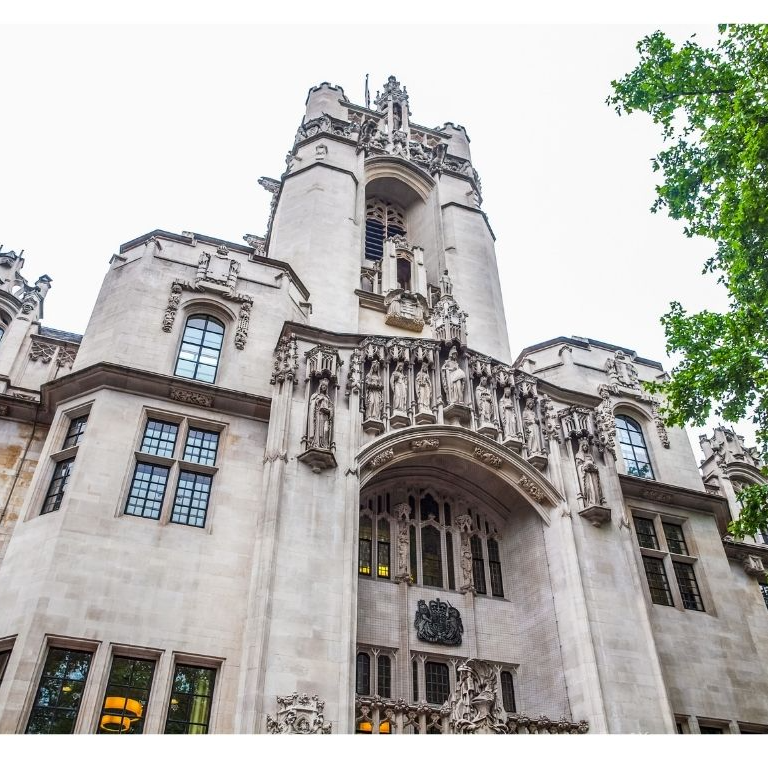
Charities Defend Vital Safeguards in Upcoming Supreme Court Case
Date: 2nd September 2025
Disability charities are preparing to defend the landmark Cheshire West judgment in the Supreme Court this October, in a case that could reshape how the law defines deprivation of liberty for people who lack capacity.
According to a recent report by Community Care, the Attorney General for Northern Ireland has asked the Court to consider proposed changes to the region’s Deprivation of Liberty Safeguards (DoLS) Code of Practice. The change would allow a person’s wishes and feelings—even where they lack capacity—to be treated as valid consent to confinement. If accepted, this approach could reduce the number of people considered to be deprived of their liberty by around 25% in Northern Ireland alone.
Charities including Mencap, Mind, and the National Autistic Society argue this would weaken essential human rights protections. They warn that relying on “apparent contentment” rather than capacity risks removing vulnerable people from vital legal safeguards.
Why this matters for acquired brain injury survivors and families
The Cheshire West ruling (2014) confirmed that a deprivation of liberty occurs when someone is under continuous supervision and not free to leave, regardless of whether they seem happy or settled. This principle has been a cornerstone of protecting the rights of people with acquired brain injuries and other conditions that affect decision-making.
For ABI survivors and their families, the outcome of this case could have significant implications:
- Reduced safeguards – Survivors who appear content but lack capacity could miss out on independent reviews and legal oversight of their care.
- Legal uncertainty – Families and carers may be left unclear about when DoLS applies and how to challenge restrictive arrangements.
- Potential erosion of rights – Without clear safeguards, there is a greater risk of inappropriate or overly restrictive placements going unchallenged.
Our view at Headway Kent
At Headway Kent, we know how vital legal protections are for people living with brain injury. Safeguards like DoLS are not about bureaucracy—they are about dignity, fairness, and ensuring that restrictions are proportionate, lawful, and always in the individual’s best interests.
We will continue to follow this case closely and keep families informed of developments.